


Car AC Repair in Dallas, TX
When your air conditioning stops keeping up, Eagle Automotive Transmission can find out why and fix it properly.
Our technicians diagnose the actual cause of weak cooling rather than topping off refrigerant and sending you back out into the heat.
AC Service Built for a Dallas Summer
In Dallas, working air conditioning is not a comfort feature. Cabin temperatures climb fast during a July afternoon, and a system that struggles in May will usually fail outright by August.
Stop-and-go traffic makes it worse. Sitting on I-30, I-635, or US-75 is the hardest condition an automotive AC system faces, because the vehicle is at its lowest airflow while the heat load is at its highest.
At Eagle Automotive Transmission, we test the system under the conditions where it actually fails, then explain what we found and what it will take to correct it.
Our Car AC Repair Services
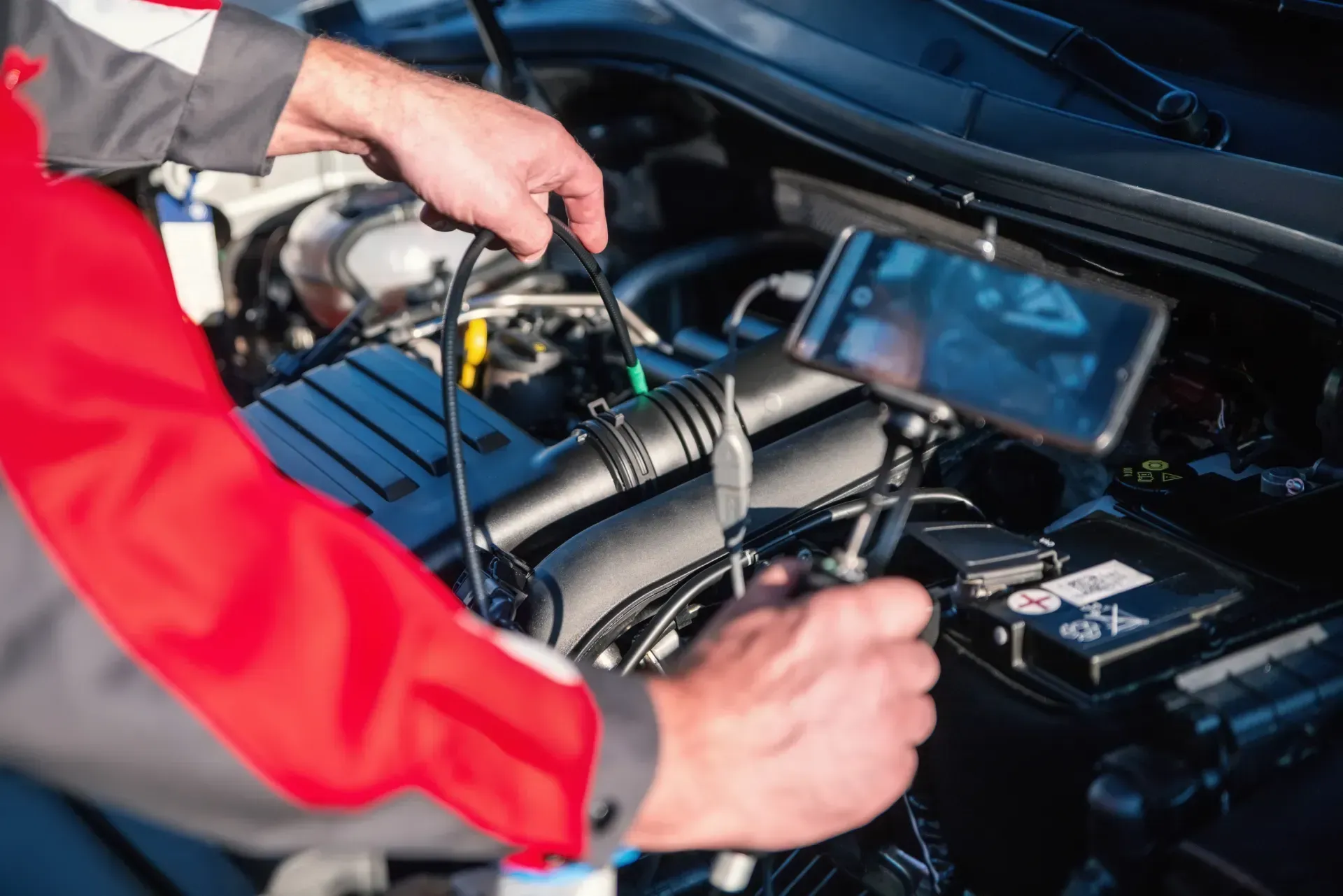
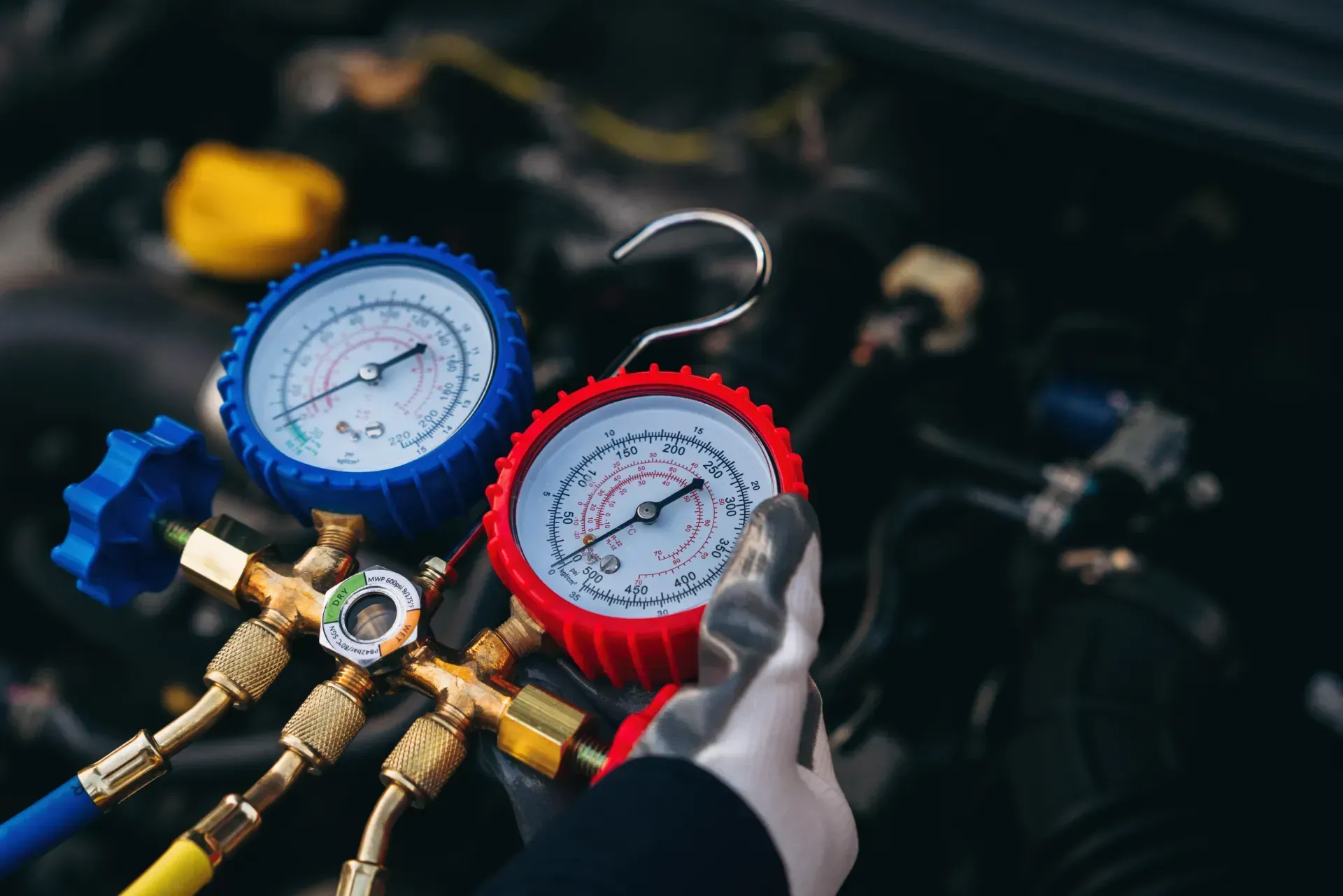
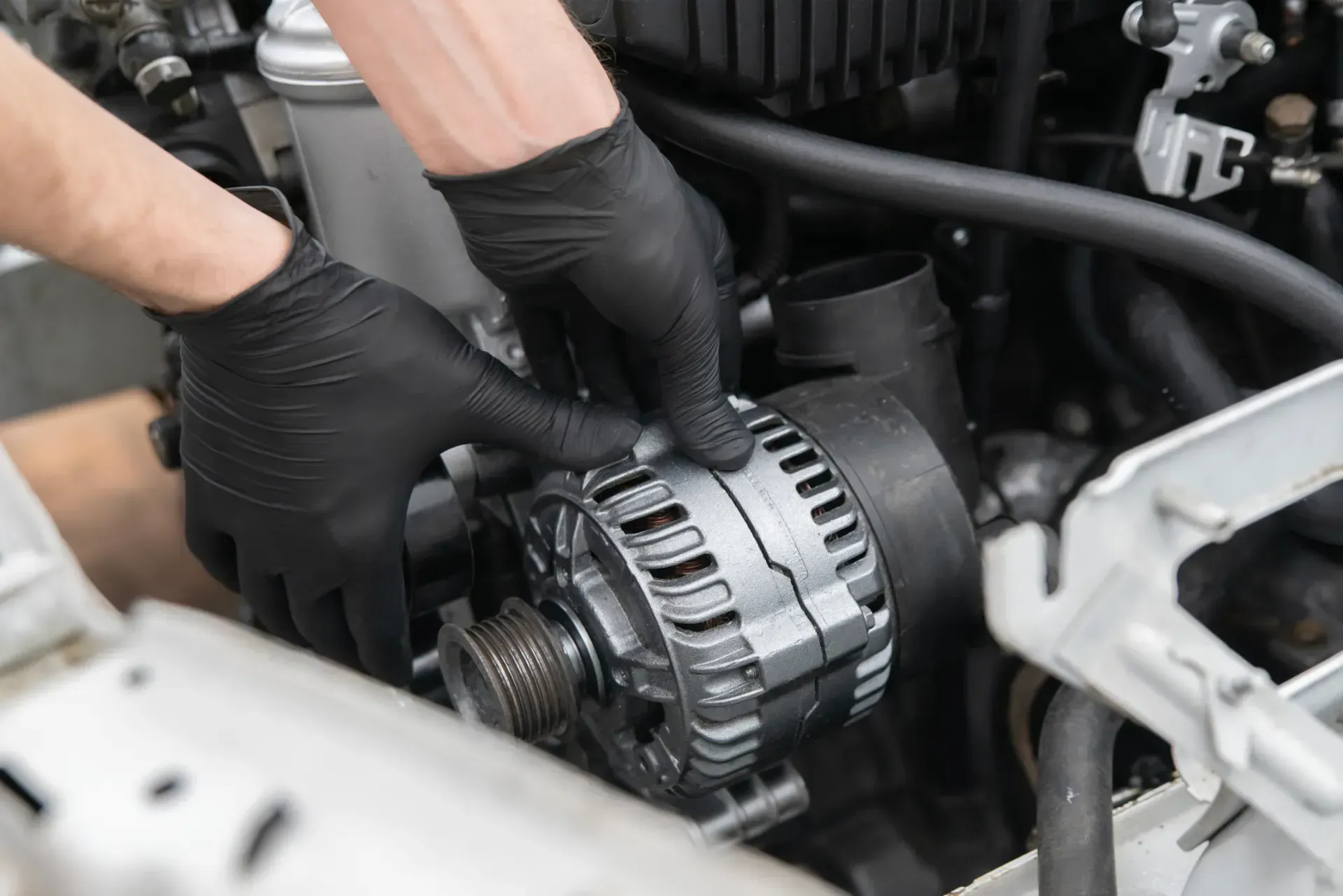
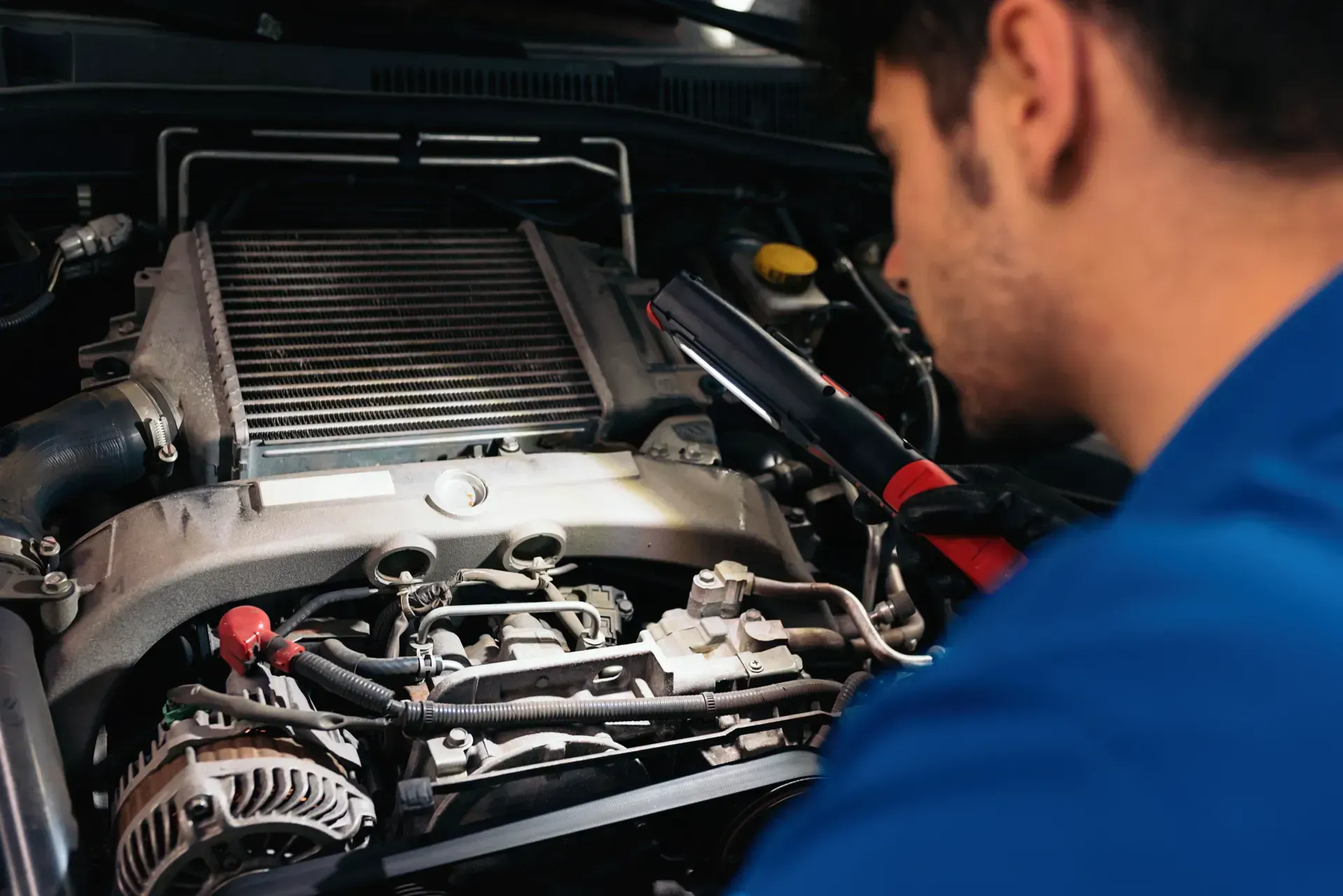
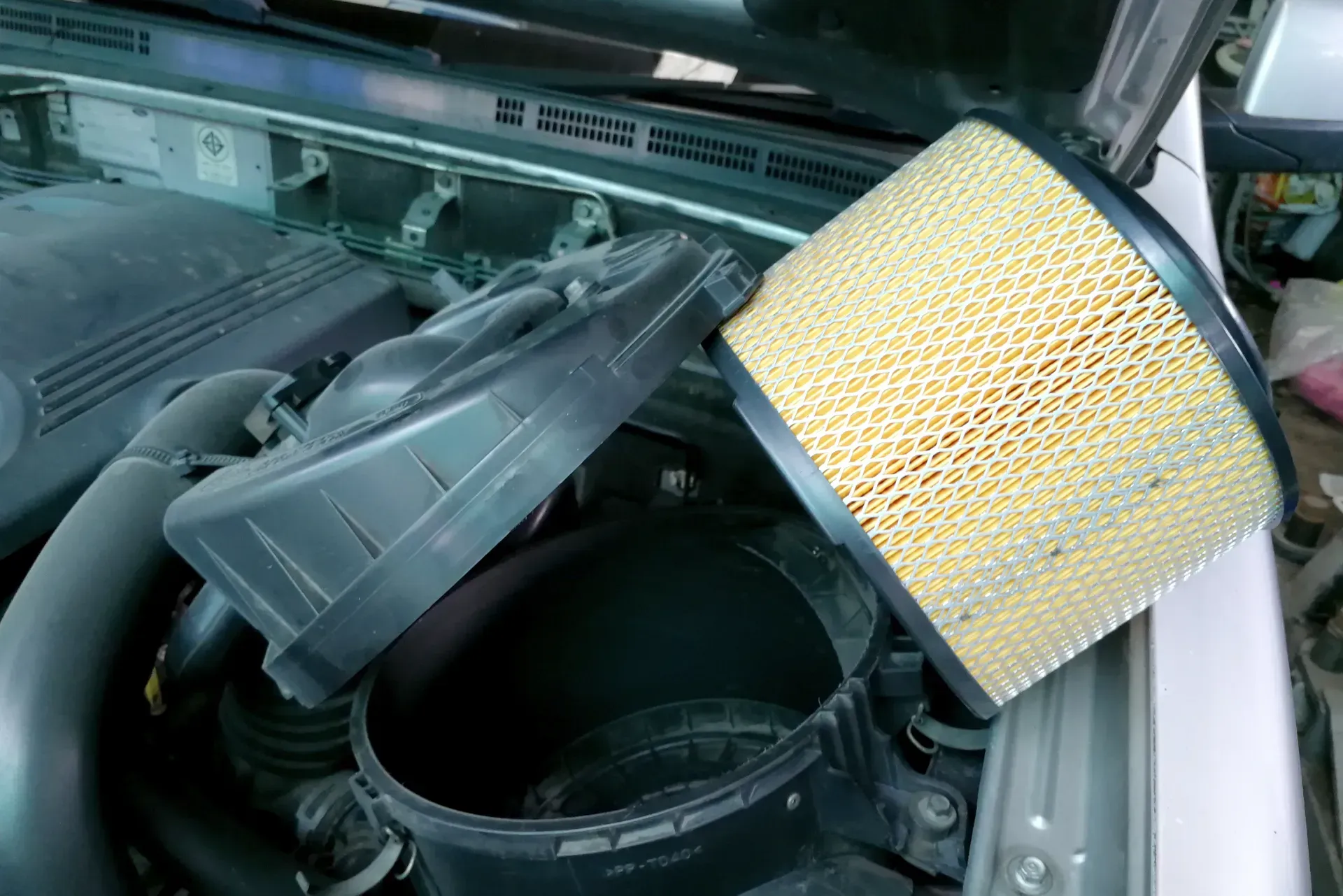
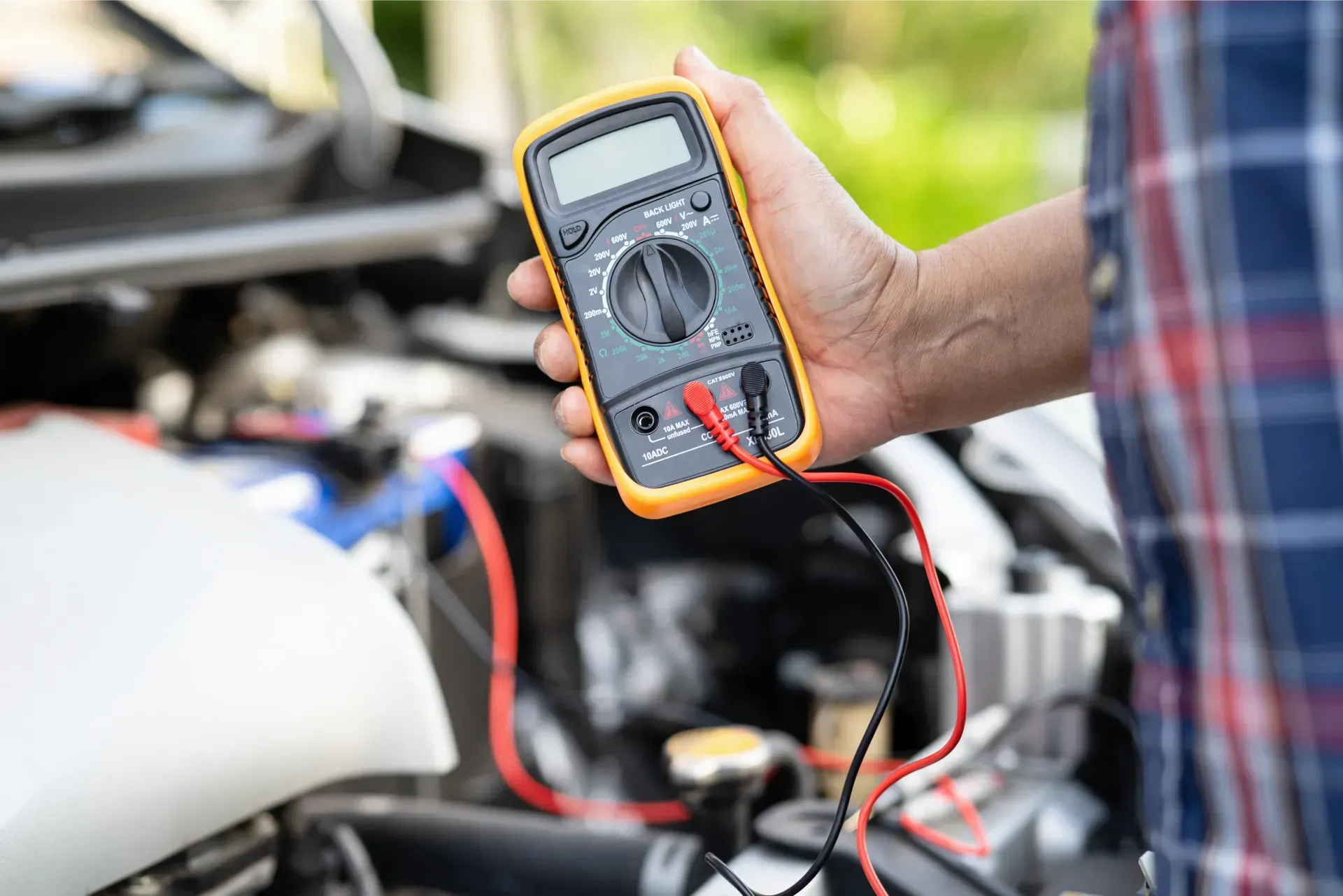
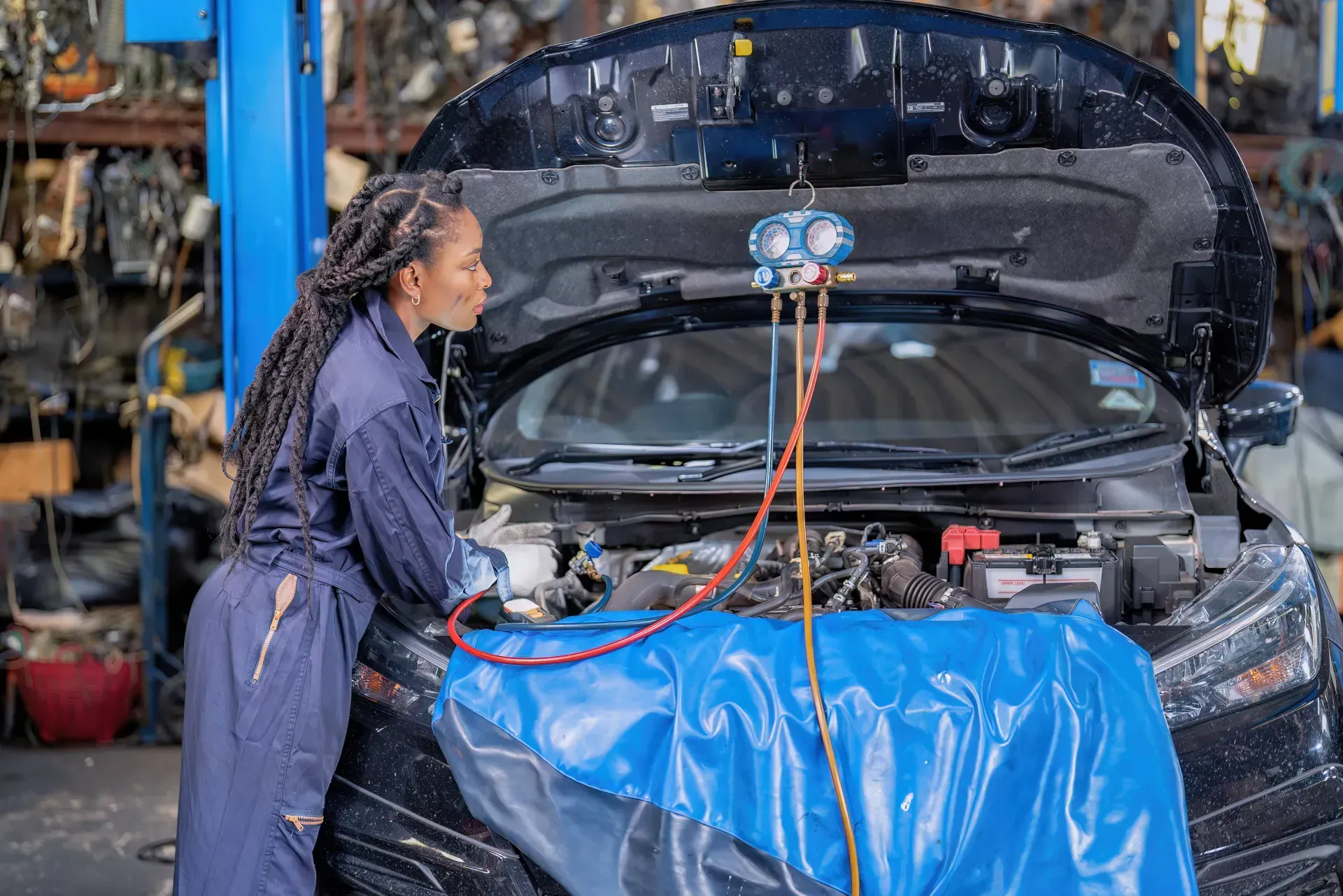
We service the complete air conditioning system, from the components under the hood to the airflow reaching the vents.
Signs Your Car AC Needs Service
Air conditioning rarely fails all at once. In most cases it declines over a season or two, and the early symptoms are easy to work around until they are not.
You may need AC repair if you notice:
- Air that is cool but no longer cold
- Cooling that works at highway speed but fades in traffic
- The system cycling on and off rapidly
- Weak airflow from the vents at any fan setting
- A musty or sour smell when the AC first turns on
- A squeal, rattle, or grinding noise when the AC engages
- Water collecting on the passenger floorboard
- One side blowing noticeably warmer than the other
- Visible oily residue around AC lines or fittings
If your AC is weaker this year than last, have it checked before peak summer. A small leak found in spring is a far smaller repair than a seized compressor in August.
Our AC Repair Process
01
Tell Us What You Are Noticing
When the problem happens matters as much as what happens. Cooling that fades only at idle points somewhere different than cooling that was never cold.
02
We Test the System
We check pressures on both sides, measure vent temperature, and verify compressor engagement and airflow.
03
We Locate the Cause
If the charge is low, we find the leak. If the charge is correct and the system still will not cool, we look at airflow, controls, and mechanical condition.
04
We Explain What We Found
You get a clear explanation of the failure, the repair options, and what each one addresses before any work is approved.
05
We Complete the Repair
The system is repaired, evacuated, and recharged to the manufacturer’s specified capacity.
06
We Verify Performance
We confirm vent temperature and system operation before the vehicle goes back to you.
Why AC Systems Fail in North Texas
Dallas is harder on air conditioning than most of the country. The season runs long, the peak load is severe, and the system spends more hours running here than it would almost anywhere else.
Extended run time
a North Texas AC system may run eight months a year, accumulating wear that a northern vehicle takes far longer to reach.
Peak heat load
on a 100-degree afternoon the system works at maximum capacity for the entire drive, with no recovery period.
Stop-and-go traffic
low vehicle speed means low condenser airflow at exactly the moment the system needs it most.
Condenser exposure
road grit, bugs, and debris pack the condenser fins over time and quietly reduce cooling capacity.
Gradual refrigerant loss
every system loses a small amount over years through seals and connections, and performance drops before the failure becomes obvious.
Why Choose Eagle Automotive Transmission?
- Diagnosis before parts replacement
- Leak detection rather than repeated recharges
- Clear explanations of what failed and why
- Approval before any work begins
- Experienced technicians serving Dallas-area drivers
Schedule Car AC Repair in Dallas Today
Turn to Eagle Automotive Transmission for car AC repair in Dallas, TX, that addresses the actual cause instead of the symptom.